
Impacts of Fintechs on the Traditional Financial System: The Future of Banks
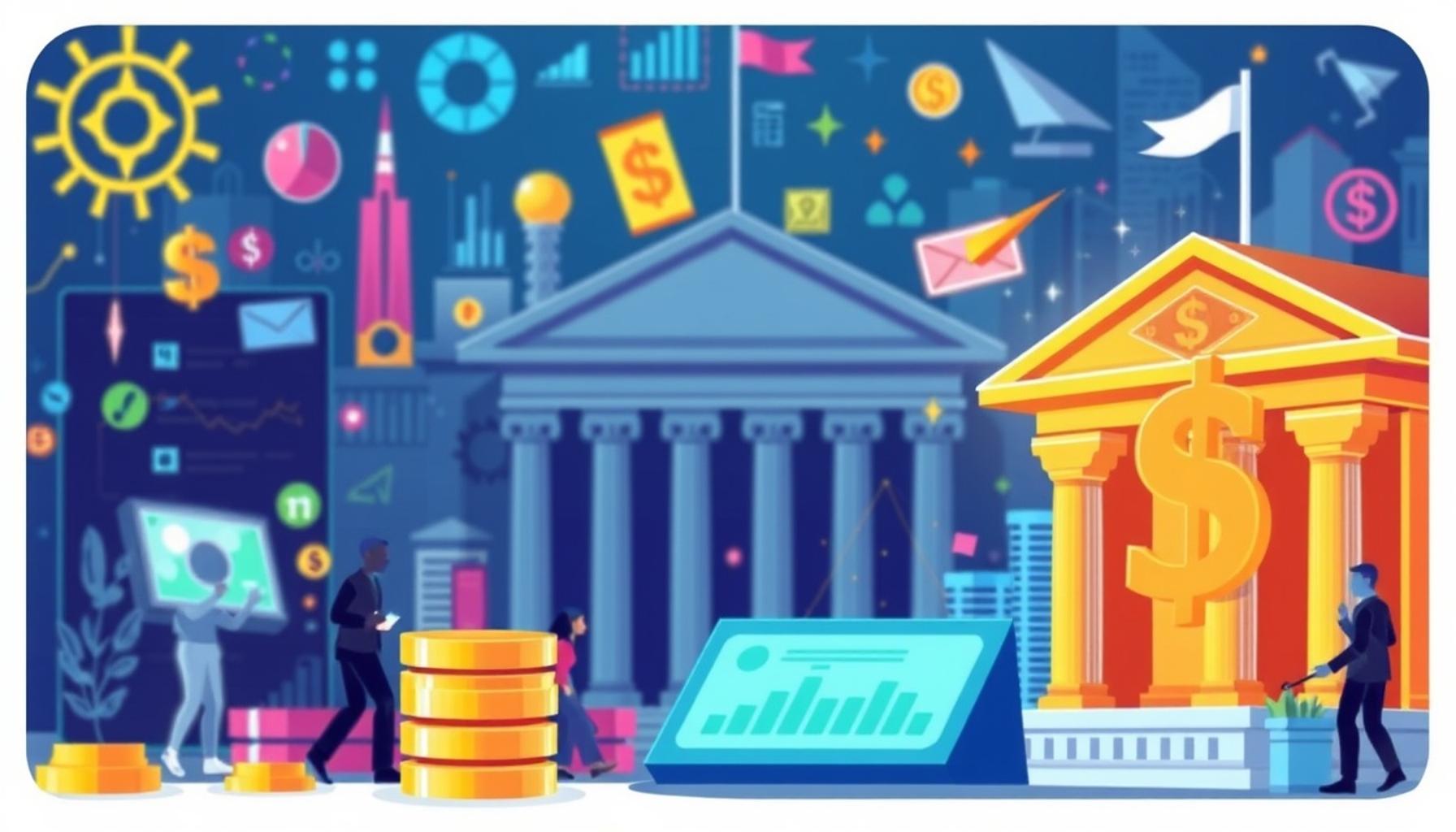
Understanding the Fintech Revolution
The emergence of financial technology, or fintech, is transforming the banking landscape in ways we could only imagine a few years ago. These developments are not merely enhancements to existing services; they represent a fundamental shift in how financial transactions are conducted and experienced. For consumers and businesses alike, the implications of these changes are significant and far-reaching.
One of the most notable aspects of fintech is its ability to make financial transactions faster. Consider the traditional banking process for a wire transfer, which could take hours or even days. In contrast, fintech solutions can facilitate transactions in mere seconds. For example, with apps like Venmo or Zelle, users can send money to friends or pay for services instantly, making financial interactions effortless. This speed enhances the overall user experience and fosters greater trust in digital financial platforms.
Another critical advantage of fintech is that it is cheaper. Many fintech companies have been able to reduce overhead costs associated with maintaining physical branches and large staffs. This translates to lower fees for consumers. Take online lending platforms like SoFi or LendingClub, for instance. These services offer competitive interest rates for personal loans and often eliminate many associated charges, which are typical in traditional banking, such as application fees and origination charges. As a result, borrowers can save significantly on their repayments, easing their financial burdens.
Moreover, fintech is making financial services more accessible to a broader audience. Many traditional banks have stringent requirements that can exclude individuals with limited credit history or lower-income levels. In contrast, companies like Kiva promote financial inclusion by providing microloans to entrepreneurs and small businesses in underserved communities. This not only empowers individuals to pursue their ventures but also stimulates economic growth in those areas.
Examples of Fintech Innovations
As we explore the various examples of fintech innovations, it’s evident that the landscape is diverse. Mobile payment apps like Cash App and Venmo are just the tip of the iceberg, establishing a new norm for how individuals handle transactions. Additionally, the rise of cryptocurrency, with platforms such as Coinbase and Binance, is prompting discussions about the future of money and investments, potentially reshaping our conception of assets and their value.
In this light, traditional banks are being compelled to adapt. They are investing in their technology infrastructure and exploring partnerships with fintech firms to enhance their services. This collaboration highlights the urgent need for innovation in the financial space, where staying ahead of the curve is essential for survival.
The impact of these changes is broader than just individual consumers; they are reshaping the entire financial landscape. For anyone interested in finance—be it professionals, businesses, or everyday users—understanding the nuances of fintech is crucial. As we continue to witness this revolution, it’s clear that the future of banking is not only about innovation but also about fostering an inclusive financial environment that caters to everyone.
The Transformative Effects of Fintech on Banking
The rise of fintech has sparked a *transformational evolution* in the banking sector, challenging traditional institutions to rethink their business models. As consumers increasingly gravitate towards digital solutions for their financial needs, banks find themselves in a race against time to innovate or risk obsolescence. This shift highlights several critical impacts of fintech on the traditional financial system.
Firstly, one of the most prominent effects of fintech is the introduction of a *customer-centric approach*. Traditional banks often operate on rigid structures and processes that do not prioritize customer experience. In contrast, fintech companies are built around the needs and preferences of consumers. For instance, platforms like Robinhood have made investing accessible to the general public by removing barriers such as hefty commissions, allowing individuals—even those who are new to the stock market—to invest with minimal funds.
Another vital impact of fintech is the *expansion of financial services*. Fintech innovations are broadening the scope of what consumers can access. Instead of relying solely on banks for services such as loans and investments, consumers can now turn to various online platforms that offer tailored solutions. Examples include:
- Crowdfunding platforms like Kickstarter, which enable entrepreneurs to raise funds directly from the public.
- Robo-advisors such as Betterment and Wealthfront, which provide automated investment advice at a fraction of the cost of traditional financial advisors.
- Peer-to-peer lending services like Prosper, allowing individuals to borrow from other individuals, bypassing the bank altogether.
The emergence of these alternatives highlights how fintech is democratizing financial services, offering users more choices and fostering competition within the industry. As a result, the traditional banking model, once characterized by its control over various financial functions, is now facing increasing competition from these agile tech-driven companies.
In addition, fintech is driving *greater transparency* within the financial system. Many fintech companies prioritize user education and clarity, offering detailed insights into fees, interest rates, and terms of service. This emphasis on transparency empowers consumers to make informed decisions about their finances. Traditional banks, often criticized for opaque practices regarding fees and account management, may need to adapt to this new standard if they wish to retain customer trust.
Finally, the prevalence of data in fintech is reshaping lending practices. Fintech companies leverage advanced algorithms and data analytics to assess creditworthiness, allowing them to extend credit to individuals who might otherwise fall short of traditional banking criteria. This not only opens doors for those with limited credit history but also creates more accurate risk assessments, potentially lowering default rates.
As we delve deeper into the evolving relationship between fintech and traditional banks, it becomes clear that the future of banking lies in collaboration rather than competition. The adaptation of banks through strategic partnerships with fintech firms could herald a new era of financial services that combine the best of both worlds.
Collaboration and Adaptation: A New Banking Paradigm
As fintech continues to reshape the landscape of financial services, traditional banks are recognizing the need to adapt to this rapid evolution. Rather than viewing fintech companies solely as competitors, many banks are beginning to see the value in collaborative partnerships. By aligning with fintech, banks can leverage new technologies and improve their offerings, creating a more comprehensive financial experience for consumers.
One notable example of this collaboration is the emergence of *banking-as-a-service (BaaS)* platforms. Through BaaS, banks can provide their existing infrastructure to fintech firms, which can then offer customized financial products under their own brand. This model allows traditional banks to expand their reach without the burden of developing new technologies from scratch. For instance, through partnerships with fintechs, banks can deliver services such as digital wallets or payment processing, enhancing their customer engagement without straying too far from their core functions.
Furthermore, the integration of *blockchain technology* within fintech is also influencing traditional banking systems. Blockchain offers unparalleled security and efficiency in transactions. Some banks are exploring how to incorporate this technology to simplify complex processes, such as cross-border payments and settlements. By using blockchain, banks can significantly reduce transaction times and costs, leading to increased transparency and trust among consumers. For instance, banks like JPMorgan Chase have started developing blockchain-based applications to facilitate real-time transactions, making financial services faster and more secure.
Additionally, the rise of *open banking*—an initiative that promotes sharing customer data between banks and fintech firms—enables consumers to control their financial information. Open banking encourages banks to innovative and modernize their services by providing third-party developers access to their data through APIs (Application Programming Interfaces). This dynamic can lead to a more diverse range of financial products tailored to specific consumer needs. For example, apps that aggregate financial information from various institutions allow users to see their complete financial picture in one place, making budgeting and financial planning much easier.
Moreover, advancements in *artificial intelligence (AI)* and machine learning, often pioneered by fintech, are helping banks enhance their operational efficiencies. Traditional banks are beginning to employ AI-driven chatbots for customer service, reducing wait times and improving response rates. Techniques like predictive analytics help banks identify potential fraud earlier and offer personalized services based on consumer behavior. These adaptations not only improve the overall customer experience but also allow banks to reduce operational costs and increase their competitiveness.
The future of banking appears to be one of *continuous evolution*, where traditional institutions and fintech companies can coexist successfully. By embracing technology, fostering innovation, and prioritizing collaboration, banks can transform their services to meet the demands of today’s consumers while remaining relevant within the increasingly digital financial landscape. In this context, the question is not whether banks can survive in the era of fintech, but how they can thrive through continuous adaptation and partnership.
Looking Forward: The Transformative Journey of Banking
In conclusion, the emergence of fintech is undeniably altering the traditional banking landscape, bringing about both challenges and opportunities. It is clear that the collaboration between banks and fintech firms is becoming a necessity, rather than an option. This partnership can empower banks to innovate and enhance their service offerings, ultimately leading to a better customer experience. As seen through initiatives like *banking-as-a-service* and *open banking*, traditional banks have the potential to leverage modern technologies while keeping their core services intact.
Moreover, the integration of blockchain technology and advancements in artificial intelligence will not only strengthen the security and efficiency of banking operations but also allow institutions to offer personalized and transparent financial solutions. The shift towards a more customer-centric approach is vital in meeting the diverse needs of consumers in today’s fast-paced world. By embracing technological innovations, banks can remain competitive and relevant in a continually evolving market.
As we look ahead, the question for traditional banks will not be about survival but rather about how they can continuously adapt and thrive in this new paradigm. By recognizing the value of collaboration and being open to innovation, financial institutions can transform potential threats into growth opportunities, ensuring a future that benefits all stakeholders involved. Ultimately, the blend of long-standing banking wisdom with cutting-edge fintech solutions will shape a resilient and responsive financial ecosystem for the years to come.
